February 18, 2026. By Anna Munro.
Our population is aging. Currently, roughly 18% of the United States population is 65 and older, which is expected to increase to 22% over the next 15 years. In other words, nearly 1 in 5 Americans is considered part of the older population. However, as of 2022, 76% of medical schools provided an optional geriatrics clinical experience and 45% incorporated a required geriatric rotation. How can we best care for our aging population if we are not receiving adequate training?
As a second-year medical student at Wake Forest University School of Medicine, I have had multiple lectures including details about caring for elderly patients, including recognizing delirium, common infections in older adults, and how age affects a person’s physiology. As a NC Schweitzer Fellow helping mobilize older adults recovering from acute illnesses and surgeries in the hospital, I’ve applied what I’ve learned from these lectures into practice such as opening blinds during the day to prevent delirium and taking patients on walks to preserve their muscle function.
If medical schools included a short geriatrics until during preclinical studies compiling all of these lectures in one place, medical students would be better prepared to address the needs of our aging population. Older adults often present with atypical disease presentations, which is critical to recognize to reduce misdiagnosis. Many older adults also navigate multiple chronic conditions as well as take multiple medications. Furthermore, the goals of treatment can differ; for instance, the focus may be on comfort in pallaiative care rather than being curative. It is important that we learn how to many all of a patient’s conditions at once while minimizing the medications we prescribe and mitigating adverse efforts. Including a geriatrics educational unit in preclinical studies could help medical students hyper-focus on these elements of patient care to ensure these factors are considered when they start clinical rotations. Facing geriatric shortages across the country, this course could grant medical students early exposure to the specialty and heighten their interest before starting on wards.
Furthermore, many medical schools include an ethics course to teach medical students how to manage complex patient scenarios, navigate hard conversations, and tailor healthcare to marginalized communities. While this course is strong in preparing medical students to provide healthcare to a wide variety of patient populations, the elderly population can often be overlooked. Currently, there are classes on providing end of life care and medical decision making if a patient loses capacity. However, it could be helpful to provide a class that details specific elderly ethical scenarios, including recognizing elder abuse, balancing patients retaining independence versus being admitted to a nursing home and deeply discussing palliative care. It would be especially helpful if the training emphasized interprofessional collaboration, detailing how medical students can work effectively with other healthcare professionals: social workers, physical therapists, pharmacists, etc. No matter the format, it is important that the elderly population be treated as a separate entity when talking about specific patient populations to address specific health needs they face.
Overall, medical schools are adapting to include more geriatric training for their students. However, it is imperative that they continue to address medical needs and ethical scenarios specific to the elderly population through required, dedicated coursework. If we want to continue to promote longevity, function and quality of life throughout the lifespan, we need doctors to take care of the generation that took care of us.
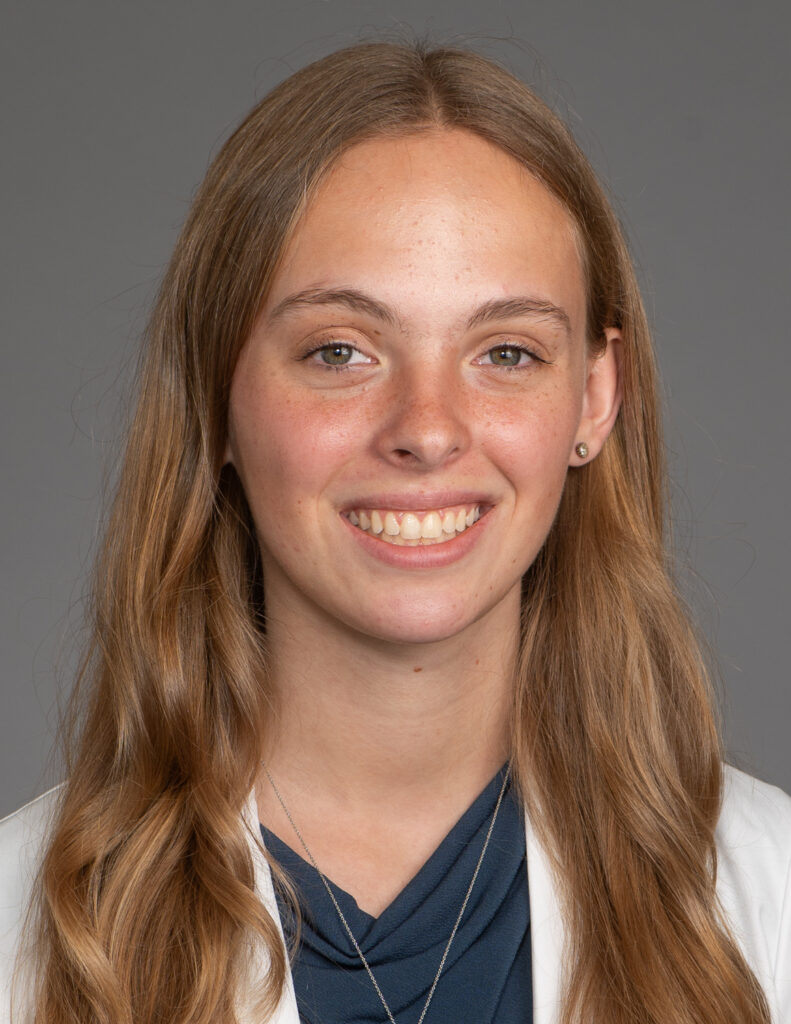
Anna Munro
2025-26 NC Schweitzer Fellow
Wake Forest School of Medicine, Class of 2028
The opinions expressed are the author’s own.