By. Caleb Renner.
When Hurricane Helene struck, I was a third yearthird-year medical student at the University of North Carolina completing my clerkship rotations in my hometown of Asheville, North Carolina. On September 25th, 2024, torrential rains driven ahead of Hurricane Helene began sweeping through Western North Carolina (WNC). This predecessor rainfall event, combined with the more direct impacts of the hurricane proper, resulted in more than 30 inches of rain over a four-day period in some locations. This rainfall, coupled with significant winds, devastated WNC, resulting in 117 deaths and 53 billion dollars in damages.
The immediate response to this event was striking, with over 200 million dollars raised in the first two months alone. The federal government contributed over 7 billion dollars initially, and the state allocated almost 3 billion dollars in funds. Additionally, millions of meals and hundreds of thousands of pounds of essential goods were donated to the region during the initial weeks following the disaster. Furthermore, many people from around the world volunteered countless hours, and already established local groups saw large increases in participation. But did all of this support come too late? Think how much more local agencies could have done if they received support before disaster struck.
This natural disaster impacted those from all walks of life, but as in all natural disasters, certain communities suffered disproportionately. Those from low socioeconomic backgrounds tend to fare more poorly for numerous reasons, including lack of housing or structurally less-sound housing, redlining that confines low-income housing to floodplains, low literacy, and lack of access to healthcare. This list goes on, but the end result is that individuals and communities who lack resources suffer more during disasters.
On the other side of the coin, however, communities with sound infrastructure, access to healthcare, communal spaces, and other supports often fare much better in the face of disaster. For these communities, the answer to disaster is prevention—much like taking blood pressure medication that prevents a stroke. For less-fortunate communities, the answer to disaster is reaction—it’s the removal of the clot from the already sick body.
Individuals and organizations, both locally and from afar, rallied to support North Carolinians impacted by Hurricane Helene. Immense amounts of resources, many of which are still being used over a year later, arrived in the region. People near and far were willing to support Appalachia following the storm, but why not before? Many of those who were most affected by the storm were suffering long before it ever arrived. And why were local, community-based organizations ill-prepared to respond to a natural disaster?
So how do we ensure that more individuals and communities have some degree of “disaster immunity?” In lieu of state- and national-level change, supporting grassroots organizations that are in touch with their local communities would be a great place to start. Barnardsville, NC, was hit particularly hard, with 60% of the population becoming homeless immediately following the storm. Fortunately, there was already a community center in place, which served as a food bank. This infrastructure and network expanded to serve the needs of over 500 people per day following Helene. BeLoved Asheville had existed for years before Helene and instantly became pivotal in the response because it had already built the infrastructure and intimately understood the needs of its community. As Ponkho Bermejo, co-director of BeLoved Asheville, said even before the storm hit, “We’ve got to work this muscle of community, whether it is taking food to families or creating a free farmers market, building houses…If the time ever comes again, we’re going to be the largest rapid response group in this community because we know each other and we know how to do this together.”
In healthcare, prevention is often cited as the best form of medicine, and that same principle can be applied to communities. Instead of throwing all of your energy and resources into helping after the worst, consider becoming involved in your community now in some small way. Volunteer once or twice a month with local community groups, get to know your neighbors and their needs, promote local community centers, understand the strengths and weaknesses of your community, and take small steps to address them.
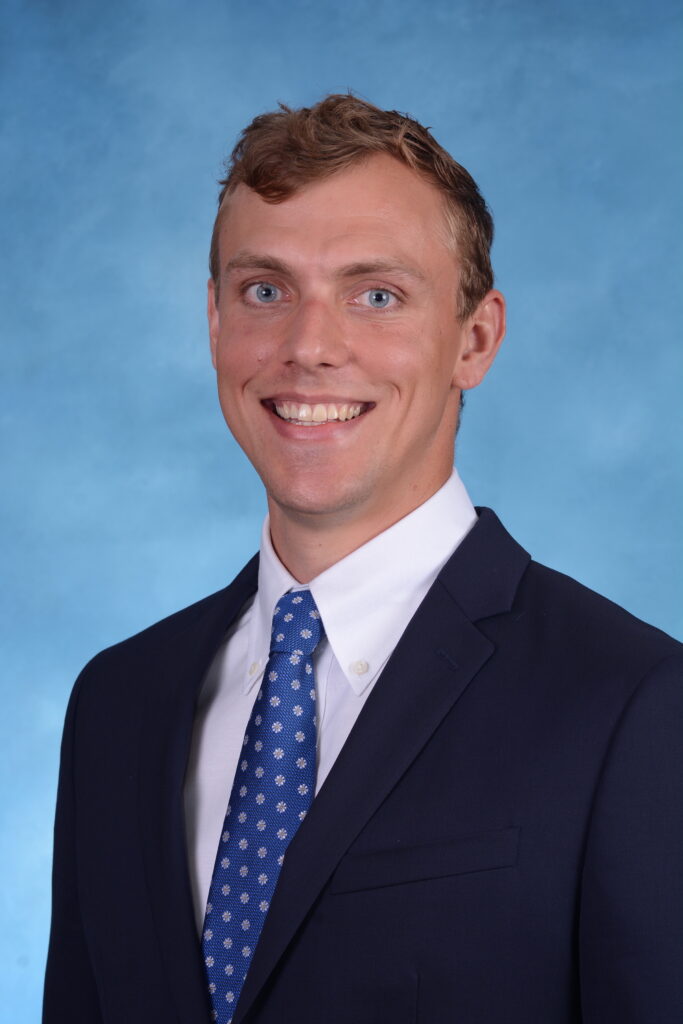
Caleb Renner
University of North Carolina School of Medicine Class of 2026
2025-2026 Albert Schweitzer Fellow
The opinions expressed are the authors own