
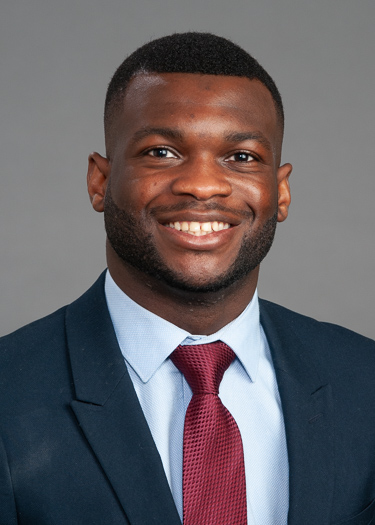
September 6, 2026. By Eddie Afetse.
For many older adults, a hospital stay represents a turning point. It is a time they trust the medical system to restore their health, manage their illness, and send them home better than when they arrived. Yet for a growing number of patients, the hospital itself becomes a source of harm. Not through error or neglect, but through two quiet, largely invisible forces: staying still and being alone.
Hospital-associated deconditioning is one of the most common and least discussed consequences of inpatient care. When older adults spend days confined to a bed; attached to monitors, waiting on test results, or simply following the unspoken expectation that rest means recovery, their bodies begin to deteriorate rapidly. Research shows that older patients can lose up to five percent of their muscle strength for every day they remain inactive. A week in the hospital can age a patient’s functional capacity by years. What begins as a manageable illness can end in a discharge to a nursing facility, a fall at home, or a return to the emergency department within thirty days.
The consequences extend beyond muscle loss. Prolonged bed rest is associated with increased rates of delirium, pressure injuries, blood clots, and depression. Patients who were walking independently before admission often leave unable to do so. Families bring in a loved one with pneumonia and take home someone who can no longer climb their front steps. The illness may be treated, but the person is not fully recovered.
What compounds this is something harder to measure but no less real. Hospitalized patients, particularly older adults, are profoundly alone. They are separated from their routines, their families, and their sense of self. Clinical encounters are brief. The hours between them are long. Research has shown that chronic loneliness carries health consequences comparable to smoking fifteen cigarettes a day, yet hospitals are not designed with human connection as a priority. Care is delivered in focused intervals, and everything in between is silence. These two problems, physical decline and social isolation, are treated as inevitable features of hospitalization rather than as conditions worth treating. That assumption deserves to be challenged.
What makes this especially troubling is that both are largely preventable. Early, consistent mobilization; helping patients sit up, stand, and walk during their hospital stay, has been shown to reduce length of stay, lower readmission rates, and improve functional outcomes. The evidence is not new. The challenge has been translating it into routine practice. Nursing staff are stretched thin, workflows are not designed around mobility, and movement is rarely treated with the same urgency as medications or procedures.
This is where a different kind of intervention becomes possible. Medical students, who are eager for patient contact and often present in hospitals during their pre-clinical years, represent an underutilized resource. For most of their first two years, students spend most of their time in classrooms, absorbing an enormous amount of science with very little contact with actual patients. By the time they reach clinical rotations, they are medically literate but underprepared for the relational demands of care. The hidden curriculum of medicine, how to be present, how to listen, how to see the whole person rather than the diagnosis, is rarely taught directly. It is absorbed through experience, which means the earlier and more intentional that exposure is, the better.
Structured volunteer programs that train students to safely assist with patient ambulation can bridge all of these gaps at once. A student who helps a patient stand and walk the hallway is also spending time with them, asking questions, offering consistent human attention, and noticing things a busy care team cannot always stop to see. The patient moves. The patient is seen. The student learns what no lecture can teach about the relationship between healer and patient. The nursing team gains an ally in a task that too often falls to the bottom of an overwhelming to-do list.
Programs like this already exist and are showing meaningful results. In acute care units designed specifically for older adults, student-led mobility initiatives have helped patients maintain function, reduced fall-related readmissions, and demonstrated that safe, purposeful movement during hospitalization is achievable. I have seen this firsthand. Through Mobility Matters, the Albert Schweitzer Fellowship project I helped lead in the Acute Care for the Elderly unit at Atrium Health Wake Forest Baptist, our team trained medical students to walk with older patients during their hospital stay. One afternoon I asked a ninety-year-old man if he would walk the hallway with me. He declined at first. After we talked, he agreed, and as we made our way down the corridor he told me he had been a lawyer, that he had gone to Yale, and that he said it with unmistakable pride. He also told me something I have not forgotten: that even at ninety, he still wanted to stay independent and to live a little longer. That walk was not only physical therapy. It was a reminder that the patient in the bed is a whole person with a history, a sense of self, and reasons to keep moving. Across our project, students helped roughly eighty older adults stay on their feet, and again and again the act of walking opened the door to being seen. The barrier is not evidence. The barrier is awareness, institutional will, and scale.
We have long understood that medicine is not only about treating disease. It is about preserving the whole person. For older adults, that means protecting not just their health in the moment, but their independence, their dignity, and their ability to return to the lives they had before they got sick. A hospital stay should not cost them that.
It is time for health systems, medical educators, and policymakers to treat mobility and human connection as clinical priorities, not afterthoughts. This means investing in programs that keep patients moving, training the next generation of providers to see presence as intervention, and designing hospital environments where walking the hallway is as routine as a morning set of vitals.
The hospital should be a place of healing in the fullest sense of the word. For our oldest and most vulnerable patients, that healing must include the freedom to stand up, to be seen, and to move forward.
Eddie Afetse
2025-26 Albert Schweitzer Fellow
Wake Forest University School of Medicine
MD Candidate, Class of 2026
The opinions expressed are the author’s own.