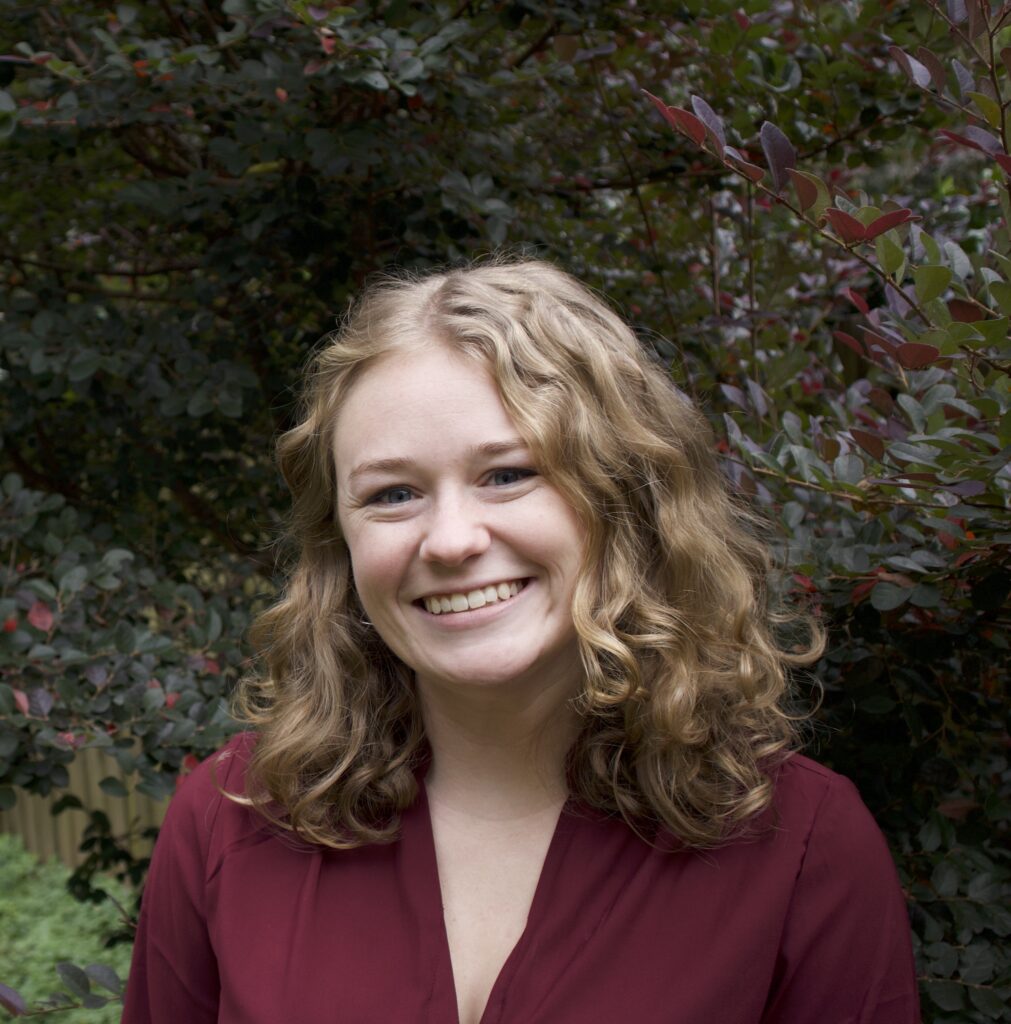
By Arielle Johnston.
12 Baskets is unique among ‘soup kitchens’, enlisting volunteers to take individual orders from diners and serving them tableside. As I sit at the first aid table near the door, I notice how the diners here seem so much more alive, active and engaged in this endeavor meant to support them, instead of receiving whatever standardized meal they are given without any conversation. The first time I volunteer here I am surprised by the model, and the times after I am heartened by the obvious empowerment it gives diners.
Just as 12 Baskets flips the model of community kitchens, we too need to flip our model of healthcare. Rather than expecting patients to get up and meet us where we are, we need to adapt our treatment to where they are. There’s no use in prescribing an antibiotic someone cannot afford, and there’s no use in telling someone to ‘take it easy’ when they work sixteen hours a day on their feet. By doling out pre-packaged, standardized advice, we erode the trust between provider and patient, insinuating that either we understand their life outside the exam room or that we do not care about it. Even before considering the clinical implications of worsening infection or stress fracture, this dismissive, one-size-fits-all approach constitutes harm. Flipping this dynamic, restoring patient autonomy and dignity, reduces this harm.
Nobody knows exactly where the phrase ‘first, do no harm’ originated; it actually wasn’t in the Hippocratic Oath. In modern times, its warning is often applied to risky procedures or aggressive treatment plans. Increasingly, attention is being called to the harm caused by insidious forces like stigma, criminalization, and medical paternalism, which is the historical philosophy of doctors making decisions for patients due to believing that they know what’s best. Out of these insights and repeated governmental disenfranchisement the idea of ‘harm reduction’ was born during the HIV/AIDS epidemic. By one definition, harm reduction is ‘‘a set of practical strategies and ideas aimed at reducing negative consequences associated with drug use,” and its aim was to make drug use safer by preventing secondary risks, like contracting HIV or other bloodborne diseases. And it has – by improving trust in not only their own autonomy but also their healthcare providers, patients reported “feeling cared for, and not feeling judged,” increasing their likelihood of further interaction with the healthcare system.
Though the philosophy of harm reduction applies to everyone, it is especially salient for patients from marginalized groups. Research shows that those who have less access to healthcare are less likely to trust doctors, and minority groups consistently report higher rates of experiences that damage their trust in the healthcare system. By failing to adapt our recommendations to the real person in front of us, we compound existing inequities in healthcare access and further drive away those who need care the most.
Harm reduction as a concept lies at the core of modern emergency medicine – so often, we cannot fix what brought a patient in, but we can give them clear reasons to come back to the emergency department and slip a couple extra bandages into their discharge packet. We can give small tips to improve healing rather than describing an ideal course that doesn’t apply to them.
As we healthcare professionals learn to operate within a fundamentally broken system, we must be creative in caring for our fundamentally human patients. Communicating or expecting perfection is not only unrealistic but deeply damaging to the patient-provider relationship. Though it may be uncomfortable to accept some baseline unhealthy behaviors, truly partnering with our patients requires it. Now more than ever, using the fundamental ideas of harm reduction – trying not to perfect but to improve – is vital to ensuring that our patients can and should trust us. Let us remember that “doing no harm” means taking the lessons of 12 Baskets and being the providers that serve our patients where they are rather than where we want them to be.
Arielle Johnston, UNC School of Medicine, Class of 2026
2025-2026 North Carolina Albert Schweitzer Fellow
The views expressed are those of the author and do not reflect the official stance of the Schweitzer Fellowship or the University of North Carolina.