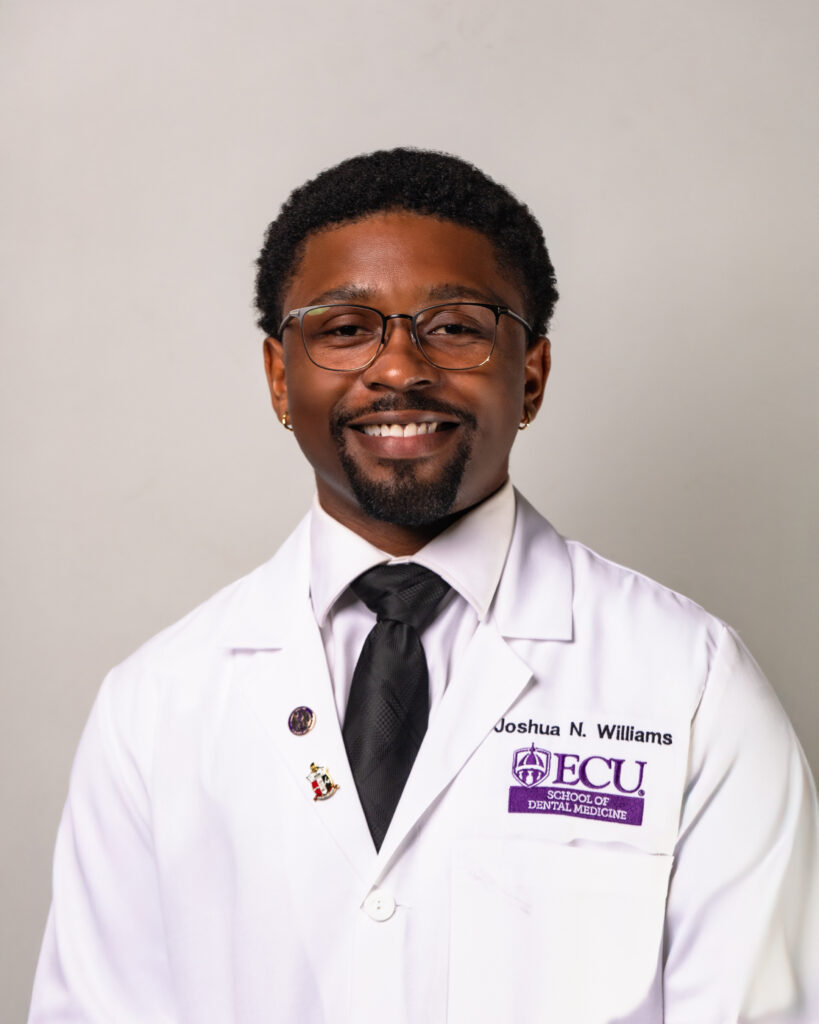
By Joshua Williams.
As a dental student and Schweitzer Fellow, I was excited to share my knowledge of oral health with older adults. So, I helped create a program visiting long term care facilities to help address the needs of the residents. The first time I walked into a care home, the hallways were quiet in that unmistakable way places are when people are doing their very best with far too few hands. As I settle into the common area, a few residents had already gathered, curious and polite, and a staff provider lingered nearby.
We were barely ten minutes into the session when the provider stopped me with a question I never saw coming.
They didn’t ask about technique or training protocols. Instead, almost casually, with the kind of fatigue that comes from years of stretching limited time and resources, they asked, “Is it worth spending all this money at their age?”
The words hung in the air, heavier than anything I had planned to teach.
It wasn’t the question itself that stunned me, but the belief beneath it is a quiet assumption that follows too many older adults through the healthcare system. It suggests that their comfort is negotiable, that smiling without embarrassment is a luxury, and that eating without pain is somehow optional with age. In that moment, I saw more than one person’s opinion. I saw the reflection of a system that treats oral health in older adults as an afterthought, even though we know it is essential to social connection, nutrition, and long-term well-being.
The Hidden Crisis Affecting Our Elders
Oral disease is one of the most common and overlooked chronic conditions among older adults. Untreated decay, periodontal disease, fungal infections, and ill-fitting dentures quietly erode daily life, affecting everything from the ability to enjoy nutritious foods to the confidence to speak and connect with others.
What I witnessed is supported by national data. Studies show that roughly 70–80 percent of long-term care residents have untreated oral disease, and nearly 60 percent of older adults entering nursing homes require urgent dental treatment.
Despite this overwhelming evidence, oral health remains siloed from systemic healthcare not because science supports the separation, but because our healthcare system was built that way.
Where We Go From Here
The Dental Buddies initiative has allowed us to bring oral-health education, hands-on demonstrations, and meaningful social engagement into long-term care settings. But our work also exposes persistent gaps. Many facilities lack staff trained in daily oral care, dental benefits for older adults remain limited, and oral-health assessments are not consistently integrated into geriatric medical care. Addressing these gaps requires solutions that match the scale of the problem funding preventive programs.
I think back to the resident who covered her mouth when she smiled. What would her life look like if the system truly valued her oral health? We can and must do better. Oral health should remain protected, prioritized, and recognized as essential at every stage of life.
Joshua N. Williams
2025-26 ECU Health Schweitzer Fellow
ECU School of Dental Medicine, Class of 2027
Opinions expressed are the author’s own.