February 18, 2026. By Madeline Sage.
Sage Pens Op-Ed About Why Occupational Health Belongs in the Exam Room. UNC Health News Room.
In medical school, we learn to take detailed histories, documenting symptoms, past illnesses, family history, and a review of systems. But we routinely overlook a question that can be just as important as any of these: “What do you do for work?”
Occupational health is one of the most overlooked determinants of health. For millions of workers, particularly those in agricultural and other manual labor industries, job conditions, not genetics, pose the greatest risks. When clinicians fail to ask about how work affects health, we lose the full picture of our patients’ lives. Without that context, we miss opportunities to adapt treatment to their circumstances and to provide care that meets their individual needs.
Nowhere is this more apparent than among the migrant farmworkers who drive North Carolina’s agricultural economy. These workers harvest the food that fills our grocery stores, yet face some of the harshest exposures of any labor group in the country. Many spend ten to twelve hours a day in direct sunlight with little access to shade or protective clothing. They regularly handle or work near pesticides that can cause acute skin, respiratory, and neurologic symptoms. They labor in extreme heat that can trigger dehydration, heat illness, and dangerous fluctuations in blood glucose for those living with diabetes. Over time, these conditions contribute to higher burdens of chronic disease, including diabetes, hypertension, kidney disease, skin damage, musculoskeletal injuries, and significant mental health concerns.
Despite these risks, fewer than twenty percent of North Carolina farmworkers access healthcare in a given year. Transportation barriers, cost, frequent moves, language differences, and fears tied to immigration status all create obstacles to seeking care. When they do reach the clinic, they often encounter clinicians who are unfamiliar with the realities of agricultural work.
As a second-year medical student partnering with the North Carolina Farmworker Health Program, I have learned from mentors and outreach workers how real these occupational risks are for their patients. They describe workers who spend entire days in the sun, around pesticides, and in extreme heat, many of whom are unaware of how these exposures affect their health or contribute to chronic conditions. In my own conversations with farmworkers, I have heard how difficult it is to prioritize health when missing even a single day of work can mean less money to send home to support their families. This means that rather than advising workers to eliminate exposures entirely, clinicians must understand their lived realities and work with them to find strategies that reduce risk in ways that are practical. That approach will look different for every patient.
Before beginning this work, I knew that farmworkers had higher rates of chronic conditions, but I did not fully appreciate how deeply their occupational environment impacted those health outcomes. I imagine many medical students would not think about this in the exam room either. To account for occupational exposures, which disproportionately affect underserved and minority communities, this needs to become a more intentional part of medical education. We should be trained to identify high-risk industries in our communities and to recognize patterns of work-related disease.
Expanding our awareness in this way means dedicating time to understanding which occupations carry higher risks and learning how to factor this into how we interpret symptoms and create treatment plans. This can help us understand our patients more fully and support them in ways that match their circumstances. Farmworkers, and many other workers across North Carolina, deserve clinicians who recognize the conditions they face every day and incorporate these realities into every treatment plan.
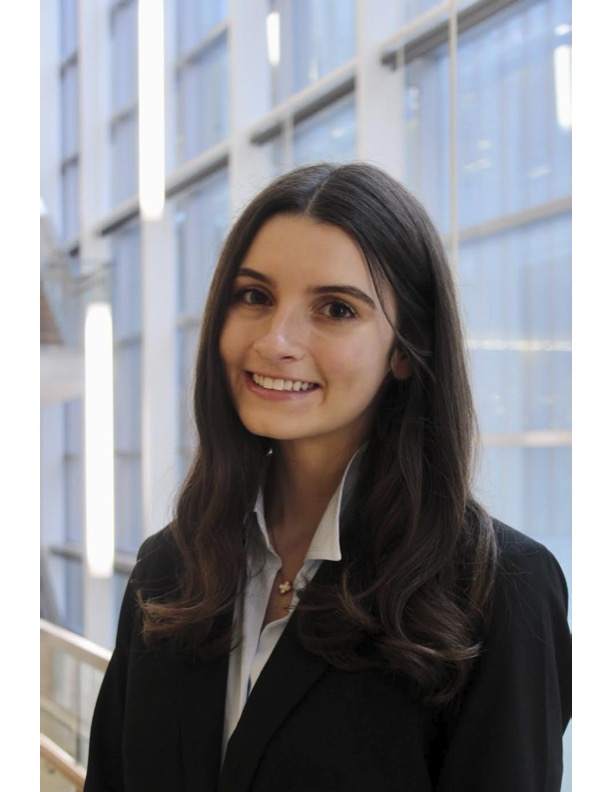
Madeline Sage
University of North Carolina School of Medicine
M.D. Candidate | Class of 2028
2025–26 Schweitzer Fellow
The opinions expressed are the author’s own.