March 4, 2026. By Jaelen King.
Imagine it’s still dark out—maybe 5:45 in the morning—and someone is getting ready for another long shift. Maybe they’re heading to a construction site, maybe to an office building they’ll spend the next eight hours cleaning, maybe to a restaurant kitchen where the burners are already heating up. They’re tired, but they show up anyway, because they have families to support and bills to pay. Now imagine doing all of that with blurry vision. Imagine trying to read labels on cleaning chemicals, measure a piece of wood on a job site, or spot a slick patch on the floor when everything around you is just slightly out of focus. That’s not just inconvenient—it’s dangerous.
Unfortunately, that’s the everyday reality for many of our low-income, uninsured, and immigrant neighbors who simply can’t access basic vision care.
Over the past year, during the free vision screenings we’ve provided, the stories we’ve heard have been heartbreakingly consistent. “I’ve never been to an eye doctor.” “I don’t have insurance.” “I can’t afford to take time off work.” “I couldn’t find transportation.” These aren’t excuses—they’re barriers. Real ones. And for people whose jobs already put them close to hazardous tools, chemicals, machinery, and fast-paced environments, the ability to see clearly can be the difference between going home safely and not going home at all.
It’s easy for some of us to take vision care for granted. We schedule an appointment, we drive there, we get our prescription updated, and that’s that. But for someone who works two jobs, doesn’t speak the language fluently, doesn’t have a car, or has to choose between rent and a medical bill, getting an eye exam feels like an impossible luxury. And yet these are the people doing the work many others won’t—the work that keeps our communities functioning, safe, and clean.
At our screenings, when someone realizes we are going to order a new pair of glasses for them for free, suddenly their entire face lights up, and you realize just how transformative something so simple can be. A construction worker can finally read measurements clearly. A cleaner can identify labels without guessing. A restaurant worker can navigate a crowded kitchen with confidence. These aren’t small wins; they’re powerful reminders that vision is safety, vision is dignity, vision is opportunity.
If we say we appreciate the people who build our homes, clean our offices, cook our meals, and maintain our city’s infrastructure, then we have to show it. That means expanding access to affordable eye care through mobile clinics, extended hours, screenings held directly in neighborhoods where people work and live, and services offered in multiple languages. It also means strengthening the systems that should be protecting people in the first place—like expanding Medicaid to include comprehensive vision coverage for all ages, not just children. Vision isn’t something you grow out of needing. Adults in high-risk, physically demanding jobs deserve the same access to screenings and eyewear that many insurance plans still overlook. Caring about someone’s safety starts with ensuring they can see the hazards in front of them.
Helping people see clearly isn’t charity—it’s respect. It’s acknowledging that the people doing some of the hardest, least glamorous work deserve the same security, comfort, and health as anyone else. And if we can improve their vision, we’re not just helping them do their jobs. We’re helping them do so safely, confidently, and with the dignity they’ve earned many times over.
To learn more about Project SEE and ways you can support our work to help promote access to vision care in our community, please visit our Facebook page at SEE: Screening Eyes and Education or reach out via email to jaelen.king@wfusm.edu.
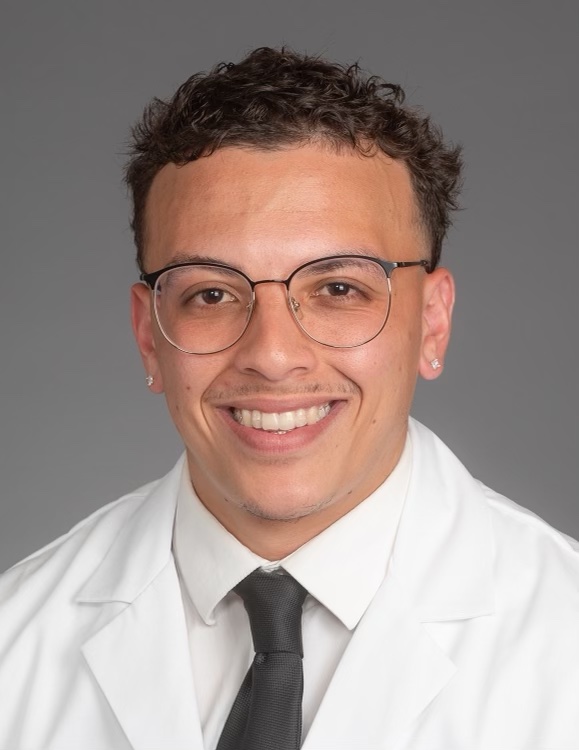
Jaelen King
Wake Forest University School of Medicine Class of 2027
Project SEE Clinic Co-Director
2025-26 NC Schweitzer Fellow
The opinions expressed are the author’s own.