January 1, 2026. By Madison Snyder.
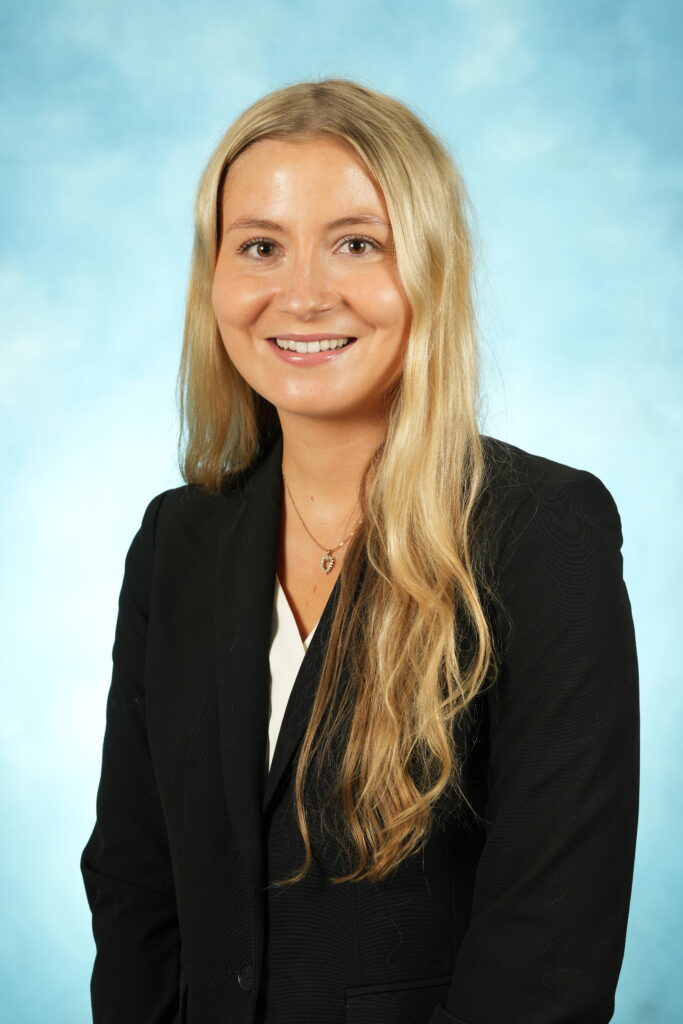
2025-26 NC Schweitzer Fellow Madison Snyder
Oftentimes, it is heard that darker skin lowers your risk of developing skin cancer and
that skin cancer mainly impacts lighter skin populations. Melanin is the pigment in your skin that
gives it color. While it can act as a natural defense against the sun’s harmful UV rays, it does not
fully protect a person with a darker skin tone from developing skin cancer. However, knowledge,
behavior, and access to resources can reduce one’s chance of getting skin cancer. A community
that is particularly affected is farmworkers who have the occupational risk of spending long
hours in the sun performing strenuous labor.
As a UNC Medical Student and Schweitzer Fellow, my medical student partner and I are
learning more from Spanish-speaking farmworkers in neighboring counties, including Harnett,
Johnston, Sampson, and Duplin, to increase their understanding of preventive health and its
importance. A critical part of this focuses on ways to reduce their risk of skin cancer. Coming
from a small town by the North Carolina coast, where skin cancer was prevalent, drove me into
founding an organization at UNC Charlotte focused on raising awareness on the importance of
skin cancer prevention for everyone. This, along with my interest in volunteering my time with an experienced non-profit community-based organization, the North Carolina Farmworkers’ Project, pushed me to further this education for farmworkers.
Farmworkers spend long days outdoors with significant exposure to the sun. While some
may wear long shirts, hats, and sunscreen to cover up, it is still a priority to ensure that we, as a
medical community, are doing everything we can to protect these workers who provide the
support necessary to establish the agricultural industry in North Carolina, which contributes
roughly $111.1 billion to the economy.
For the never-ending work and dedication, farmworkers supply North Carolina with more
should be done to protect them and their health as they put countless hours into ensuring the
food supply of our state. While there are organizations in place, such as the NC Farmworkers’
Project that my partner and I partnered with for our Schweitzer fellowship, there is more and
more demand each year to care for our farmworkers, which is why it is vital to continue to
support the community outreach workers who allow us to be able to work with and access the
population.
It is known that late-stage melanoma diagnoses are more prevalent among Hispanic and
Black patients than non-Hispanic white patients. With it being harder for farmworkers to access
care due to time, transport, health insurance coverage, the challenge of navigating a foreign
health system, language barriers, and cultural barriers, they may receive care delayed to when
they need it. This can correlate to more advanced skin cancers or even melanomas as the wait
to care increases.
Cancers can also appear in areas that get little sun exposure as well which is why it is
important for all people to get regular skin checks to prevent skin cancer. It is important to
highlight the difference in survival rate between Hispanics and non-Hispanic Whites, with there
being a 5-year 83% survival rate for Hispanic patients compared to 94% for white patients.
While survival may still be high, this is a call to action to address a disparity that can be
fixed in our society. Everyone should be able to get yearly skin checks to prevent future
complications. In terms of farmworkers in North Carolina, it would be beneficial for outdoor
workers for worker protections to include sun protection precautions such as sunhats, sun
shirts, sunglasses, sunscreen, and gloves, as these clothing items should be considered safety
equipment required for the job.
In addition, more preventive health education should be implemented for farmworkers to
help them identify a changing area of skin on their body. Then, be able to empower them to
mention this to their health provider. A key point in doing this is by establishing a role for this in
the job of a community outreach worker: to raise awareness of this issue in both the farmworker
and provider communities. By bridging this topic between groups that care for farmworkers, skin
health will be seen as a higher-priority topic for outdoor workers to address in their visits.
Skin cancer is highly preventable and treatable when caught early, which helps to
highlight the discrepancies in survival amongst different populations and how important it is to
raise awareness around health disparities and take action in improving everyone’s access to
high-quality comprehensive primary care. If we continue to move towards this goal of skin
cancer awareness and prevention in farmworkers and people of color, it carries a powerful
message that their lives are equally worthy of protection. This is far from the case, and because
of that, more needs to be done as soon as possible to protect our farmworkers.
To do this, we all should work within our own communities to raise awareness for the
occupational risk of outdoor workers, empower rural health providers to integrate skin health
screening and preventive health education into their practice, and collaborate with community
outreach workers to develop high-impact health education for farmworkers.
Madison Snyder
University of North Carolina School of Medicine
M.D. Candidate | Class of 2028
2025-26 NC Schweitzer Fellow
The views expressed are those of Madison Snyder and do not reflect the official stance of the Fellowship or the UNC School of Medicine