February 4, 2026. By Frances Reed.
In North Carolina, positioned within the “Stroke Belt”, surviving a stroke is just the beginning of a long journey. What comes next, the months and years of recovery, is where many survivors and families face their hardest battles. In rural communities, where resources are few and travel to care is long, those battles often happen in isolation.
Imagine a young father in North Carolina who had a stroke in his 30s.* His life was saved, thanks to excellent acute care. But when he returned home, he stepped into a very different landscape. He had aphasia, a disorder that affects language and communication, and he and his family struggled to communicate with each other in the most difficult of times. He felt fatigued by the simplest tasks and was incredibly anxious about the future and his ability to be a father to his children. Imagine another survivor who had her stroke mid-career and was making progress in her rehabilitation therapies, hopeful to return to work in the future. Suddenly, she lost Medicaid coverage, and she was devastated and confounded by the change in her eligibility and the search for possible recourse. Without coverage, she couldn’t continue speech or physical therapy. Without therapy, her progress stalled, and hope felt far away, allowing depression to take a deeper hold. Post-stroke anxiety and depression are experienced by almost half of survivors for many years after their stroke.
As a medical student and an AHEC Schweitzer Fellow working to establish a peer-support system for stroke survivors in NC, I have encountered stories like these far too often. After discharge, stroke survivors enter what feels like a care desert: shortages of local rehab therapy and primary care providers, restrictive insurance limits, and long travel and wait times that make attending necessary appointments nearly impossible for many. North Carolina Medicaid, like many insurance plans, only allows a limited number of physical, occupational, and speech therapy visits, creating a woefully short time window in which to produce meaningful improvements that massively impact one’s quality of life. Additionally, many stroke survivors are never connected to mental health services upon discharge.
Even when rehabilitation is technically covered, many rural survivors simply can’t access it. Some rural counties have no full-time neuro-rehab program or speech-language therapist. Survivors may travel one or two hours for a 45-minute session; a burden made even more difficult by transportation challenges, weather, or caregivers who can’t miss more work. This is not a lack of personal responsibility and effort. It is a functional denial of care created by geography, finances, and fragile healthcare infrastructure.
With federal Medicaid funding projected to shrink by nearly $50 billion statewide over the next decade due to H.R. 1, rural rehab services are at real risk of disappearing altogether. Even if health systems can continue offering emergency and primary care, stroke survivors could lose their best path back to walking, speaking, driving, working, or caring for their families. When care systems are pulled back, families step in and shoulder the physical, emotional, and financial weight of caregiving. Caregivers often reduce work hours or leave jobs, adding financial strain to emotional exhaustion. Survivors, aware of this strain, frequently describe feeling like a burden to loved ones. High rates of depression and anxiety should then be no surprise, and isolation deepens the wounds left behind by the stroke itself.
However, there is hope, and it often starts in community. Recovery is not only medical; it is relational. Stroke survivors, just like all people, heal through connection, encouragement, and belonging. In Black Mountain, just outside of Asheville,Stronger Together Wellness, founded by stroke survivor and NC peer support specialist Matt McCoy, offers that connection. This community-based program helps survivors and their families navigate resources, ensuring access to essential tools, therapies, and information needed for effective rehabilitation, and fostering strong peer relationships to empower survivors to reach their goals and re-enter meaningful roles. For many survivors, it can become the bridge between surviving a stroke and reclaiming their lives.
Another NC stroke survivor, Michael Erwin, saw an opportunity to reduce detrimental gaps in rehab coverage that he experienced and started BELIEVE, a stroke recovery foundation that reduces the financial burden of rehab therapies for stroke survivors whose insurance coverage has run out.
North Carolina has made tremendous strides in improving stroke detection and emergency care. Those advances have saved countless lives. But it’s time to invest more in the quality of those lives. Our state must strengthen rehabilitation coverage, support rural health systems, and improve access to and bolster community-based programs such as Stronger Together Wellness and BELIEVE that meet survivors’ holistic needs after stroke.
If we can save lives in the crucial first minutes of strokes, surely we can also help North Carolinians meaningfully reclaim their lives in the years that follow.
You can support Stronger Together Wellness and BELIEVE by donating via their hyperlinks.
* Survivor stories are a compilation of true experiences to maintain individuals’ privacy.[1]
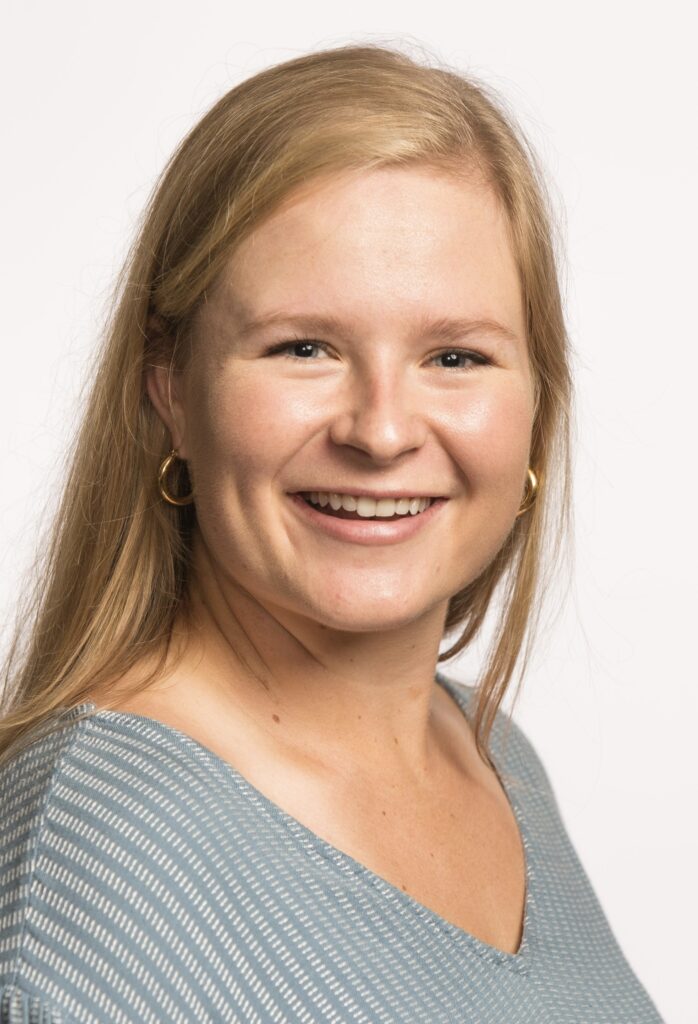
Frances Reed, UNC School of Medicine, Class of 2028, 2025-2026 AHEC Schweitzer Fellow
The views expressed are those of the author and do not reflect the official stance of the Fellowship or the University of North Carolina School of Medicine.